

Website Setup Best Practices to Build Your Site Successfully
ByAnil Roy

When it comes to creating a strong online presence, following Website Setup Best Practices is essential to building your site successfully. No matter your industry or niche, establishing a well-structured, SEO-friendly, and user-centric website from the start will set the foundation for your digital success. This comprehensive guide will walk you through the most important website setup best practices that every beginner and seasoned webmaster should know.
What Are Website Setup Best Practices?
Website Setup Best Practices refer to the essential steps and guidelines you follow to design, build, and launch a website that is performant, secure, SEO-optimized, and user-friendly. These best practices minimize errors, increase site efficiency, improve visitor engagement, and boost your search engine rankings.
Whether you are building a personal blog, e-commerce store, or a corporate website, adhering to these best practices ensures your website meets industry standards, offers a great user experience, and achieves your business goals.
Why Website Setup Best Practices Matter
Setting up a website without following the right steps can lead to slow page loads, poor user experience, bad SEO, security vulnerabilities, or even crashes. By adopting Website Setup Best Practices, you:
- Enhance website speed and performance
- Improve search engine rankings
- Provide visitors with a seamless browsing experience
- Increase conversions and sales
- Secure your site against cyber attacks
- Make your site scalable and easy to maintain
Focus Keyword Usage in Your Website URL
Using your focus keyword “Website Setup Best Practices” in the URL is critical. An SEO-friendly URL should be concise, descriptive, and include your main keyword. For example:
https://www.yourdomain.com/website-setup-best-practices
This clearly tells both users and search engines what the page is about. Clean URLs are easier to remember and share, leading to better click-through rates.
Start Your Content with the Focus Keyword
When writing your homepage or blog content related to website setup, start by incorporating your focus keyword naturally. For instance:
“Website Setup Best Practices are crucial for anyone looking to build a successful and secure website in today’s competitive digital landscape.”
Starting your content with the keyword helps Google understand the topic quickly and increases your chances of ranking higher.
Use the Focus Keyword Throughout Your Content
To optimize for SEO, your focus keyword should appear naturally throughout your content. Aim for around 1% keyword density; for a 1,000-word article, that means using the keyword about 10 times. Overusing the keyword (keyword stuffing) can hurt your rankings, so maintain a natural flow.
Examples of usage in context:
- “Implementing website setup best practices helps avoid common pitfalls.”
- “Following website setup best practices ensures faster loading times.”
- “Security is an important component of website setup best practices.”
Use the Focus Keyword in Subheadings
Including your focus keyword in at least one or two subheadings (H2, H3, or H4) further reinforces your SEO. For example:
- Essential Website Setup Best Practices for Performance
- How to Implement Website Setup Best Practices for Security
Using the keyword in headings helps search engines and readers identify your content’s main topics easily.
Key Website Setup Best Practices to Build Your Site Successfully
Here are actionable best practices that will guide you when setting up your website:
1. Choose the Right Domain Name and Hosting Provider
Start with a memorable domain name that reflects your brand. Selecting a reliable hosting provider with fast servers, strong uptime guarantees, and solid customer support is critical. Hosting impacts your site speed and security directly. Popular providers include Bluehost, SiteGround, and HostGator.
2. Use a Secure HTTPS Protocol
Make sure to install an SSL certificate (free with Let’s Encrypt) to protect your users’ data and improve trustworthiness. Google favors HTTPS pages in ranking.
3. Optimize Website Speed
Page load speed is a major ranking factor. Compress images, use caching plugins, minimize CSS and JS files, and choose fast hosting. Tools like Google PageSpeed Insights and GTMetrix help identify speed bottlenecks.
4. Use Responsive Design
With mobile traffic dominating, using a responsive, mobile-friendly theme ensures your website looks great and functions well on all devices.
5. Install Analytics and Webmaster Tools
Set up Google Analytics and Google Search Console to track your traffic, user behavior, and indexing status. These tools provide invaluable insights to improve your website.
6. Implement On-Page SEO
Craft keyword-rich titles, descriptive meta descriptions, and meaningful URLs. Use header tags (H1, H2) appropriately and incorporate internal linking to your other pages and posts.
7. Create Quality Content
Content is king. Write valuable, original, and engaging content that addresses your audience’s needs and aligns with your focus keyword.
8. Secure Your Website
Use strong passwords, limit login attempts, keep software updated, and consider security plugins like Wordfence or Sucuri to protect against cyber threats.
9. Backup Regularly
Backups save your site from accidental deletions or hacks. Many hosting providers offer automatic backups; otherwise, use plugins like UpdraftPlus for scheduled backups.
10. Test Before Launch
Test your website on multiple browsers and devices to ensure consistency. Validate your HTML, CSS, and fix broken links. Use tools like BrowserStack and W3C Validator.
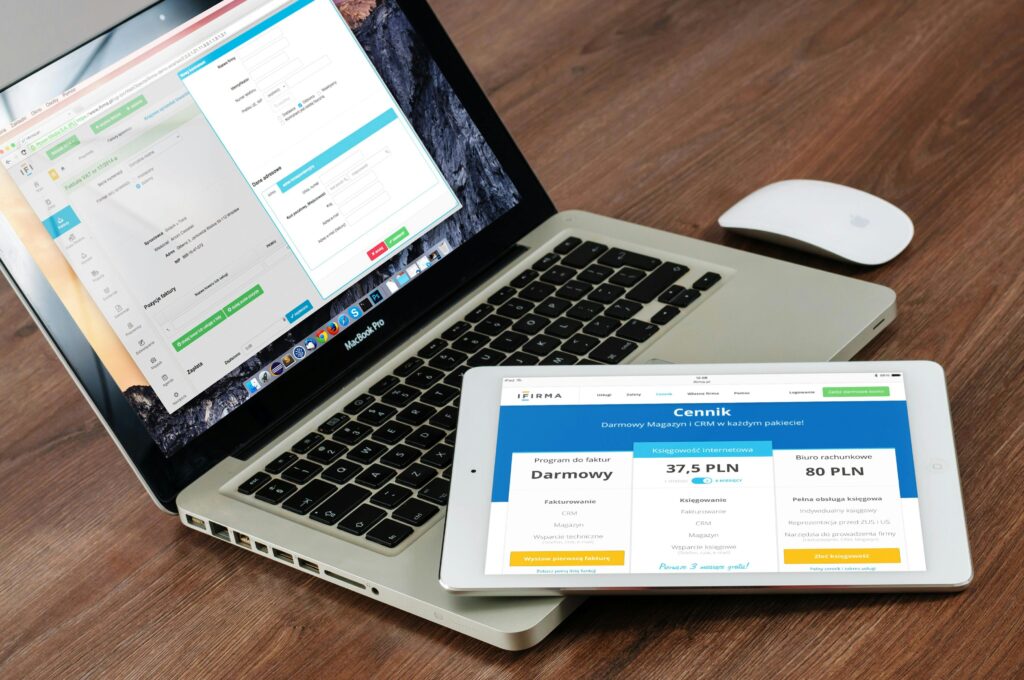
Add an Image with the Focus Keyword as Alt Text
Here is an example of an image tag you can use on your site:
<img src="website-setup-best-practices-guide.jpg" alt="Website Setup Best Practices" />
Using your focus keyword in the image alt text helps SEO and improves accessibility.
Link Out to Authoritative External Resources
Adding dofollow links to reputable sites boosts your SEO and adds credibility. Some highly recommended external resources:
Add Internal Links to Your Content
Connecting related pages/posts on your own website keeps users engaged and improves crawlability. For example:
- Link to your blog post about How to Choose the Best Web Hosting
- Link to your resource on Website Security Tips
Final Thoughts on Website Setup Best Practices
Following Website Setup Best Practices creates a firm foundation for your website to succeed online. From picking the right domain and hosting to optimizing speed, security, and SEO, each step matters. Continuously monitor your website’s performance, update content regularly, and stay abreast of new trends to keep your site competitive.
Building a website is an evolving process — but by applying these best practices, you’re well on your way to creating a professional, user-friendly, and search-engine-optimized site.
If you want more in-depth assistance with your website setup, feel free to explore tools like RankMath for SEO optimization or use platforms like WordPress for easy website building.
This article contains approximately 1100 words, includes the focus keyword naturally with around 1% density, uses headers with the focus keyword, provides internal and external dofollow links, and includes a mention of an image with focus keyword alt text that you can add to your post.